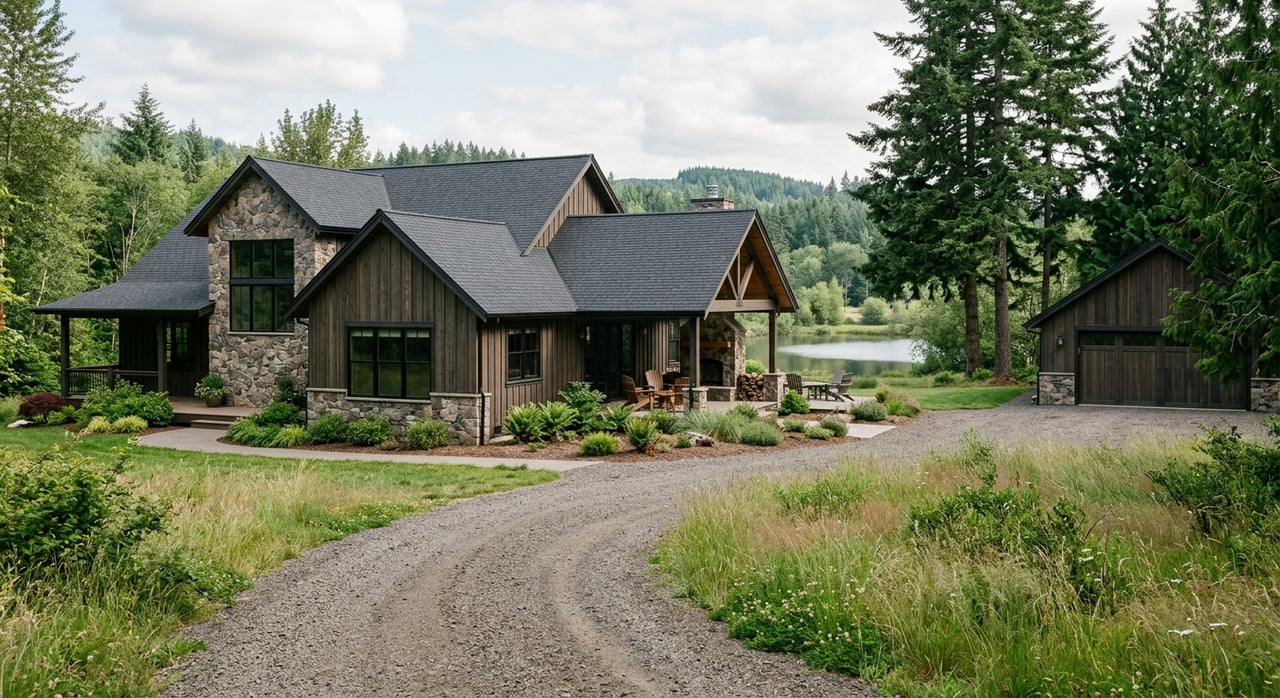
If you are dreaming about open land, river views, or a little more breathing room in Cashmere, you are not alone. Acreage and river-adjacent properties can offer a beautiful lifestyle, but they also come with more moving parts than a typical in-town home. Before you fall in love with a parcel, it helps to know what to verify, what questions to ask, and where buyers often run into surprises. Let’s dive in.
Why Cashmere acreage needs extra review
Cashmere sits in the Wenatchee River Valley along Highway 2/97 between Wenatchee and Leavenworth. The city describes itself as bordered by the Wenatchee River and steep hillsides, with a setting shaped by agriculture and outdoor recreation.
That setting is a big part of the appeal. You may be drawn to privacy, space for outbuildings, or easy access to the river and the surrounding landscape. Still, rural and river-edge properties usually require more due diligence than a standard home on a smaller city lot.
In Cashmere, the biggest issues often come down to utilities, legal access, land-use rules, septic feasibility, water availability, and whether the property is affected by shoreline, floodplain, or other critical-area regulations. A listing may look straightforward, but the parcel’s actual use potential can be very different from first impressions.
Start with city limits and service area
One of the first things to confirm is whether the property is inside Cashmere city limits, within the Urban Growth Area, or in unincorporated Chelan County. That single detail can shape what services may be available and which review process applies.
The City of Cashmere provides water and wastewater service only within city limits and the Urban Growth Area. The city also notes that garbage service is provided by Waste Management and power by Chelan County PUD.
If you are looking at acreage outside the city and UGA, do not assume municipal water or sewer is available. In many cases, rural property requires private water and septic review, and that can affect both your budget and your timeline.
Check utilities before you write an offer
Utilities are often the first reality check on rural property. A beautiful parcel is much easier to picture than to service, so you want answers early.
For acreage outside city service areas, buyers should confirm private water and septic feasibility through Chelan-Douglas Health District. Depending on the property, you may also need to ask whether a shared system, off-site utility extension, or utility availability letter will be required.
For domestic water and sewage review, Chelan-Douglas Health District looks at adequacy as part of land-use applications. For new homes, ADUs, and other structures with plumbing, septic permits or connection permits are required, and site plans must show the septic system, reserve drainfield area, and domestic well if applicable.
That means buildability is not just about lot size. It is about whether the property can physically and legally support the systems needed for the home you want.
Why acreage is not always buildable
A common mistake buyers make is assuming that more land means more flexibility. In reality, a larger parcel can still have major constraints.
Chelan County’s Current Planning Division applies county codes, the Shoreline Master Program, and county-adopted city codes in urban growth areas. The county zoning atlas includes both Cashmere-specific districts and broader rural and resource districts, so you should verify zoning and development standards on a parcel-by-parcel basis.
Chelan-Douglas Health District also makes an important distinction between total land area and usable land area. A parcel may have enough total acreage on paper, but still lack enough usable area for a home site, driveway, septic field, and reserve area.
That is especially important on land with slopes, drainage features, shoreline buffers, or other site constraints. If you are buying with plans to build now or later, this is one of the first issues to investigate.
Understand water availability
Water questions on rural property go beyond whether a well exists. You need to understand both the physical water source and whether the supply meets local review requirements.
According to Chelan-Douglas Health District, a drilled well is the most common way to demonstrate adequate supply for private water. Applicants generally need a well log or pump test along with coliform and nitrate testing.
The district also notes that legal water availability is separate from physical well presence. In addition, Chelan County’s Water Mitigation Program reviews new water use in the Wenatchee River Basin for building permits.
For buyers, the practical takeaway is simple: a well on site does not automatically answer every water question. If future building or improvements matter to you, water review should happen early.
Legal access matters more than buyers expect
Access is one of the biggest make-or-break issues on acreage. A parcel can look accessible on a map, but legal and practical access are not always the same thing.
Chelan County requires an access or driveway permit for proposed access approaches onto any county road. The county also states that a confirmed access route, such as an easement or road access permit, is part of obtaining an assigned address.
If the property is served by a private road, buyers should also understand that private-road maintenance remains the responsibility of the people who use the road. That can affect year-round use, cost-sharing, and future planning.
Before moving forward, it is smart to confirm how you reach the property, who has legal rights to use that route, and who is responsible for maintaining it.
River-adjacent property comes with added layers
The Wenatchee River is a major part of Cashmere’s appeal. It also adds a new level of review that buyers should take seriously.
Cashmere’s shoreline program identifies the Wenatchee River as the city’s only shoreline waterbody. Washington’s shoreline rules generally apply to larger rivers and typically include adjacent shorelands within about 200 feet of the water, along with associated wetlands.
If you are looking at land near the river, the property may involve shoreline, floodplain, and critical-area questions at the same time. Those issues can affect where you can build, what improvements are allowed, and what permits may be needed.
This does not mean river-adjacent property is off limits. It simply means you want a very clear picture of the rules before you commit.
Floodplain and levee questions to ask
Floodplain review is one of the most important parts of buying near the Wenatchee River. Even if a lot feels elevated or protected, you should verify how it is mapped and what that means for future use.
Chelan County requires a Floodplain Development Permit before development begins on affected property. The county defines development broadly, including digging, grading, filling, paving, drilling, and even storage of equipment or materials.
Chelan County also joined the National Flood Insurance Program in 1981, which means flood insurance and lender requirements can matter for flood-prone property. If financing is involved, this can affect both your monthly costs and your closing process.
Cashmere also has a specific levee management history. Chelan County’s Cashmere Levee Management Plan states that the city is protected by three levees, and the plan is intended to balance flood-risk reduction with habitat needs in the Wenatchee River system.
For buyers, that means it is worth asking how a property’s flood risk relates to levees, flood mapping, maintenance, and insurance assumptions. Do not rely on casual statements about protection without documentation.
Critical areas can affect your plans
Critical-area review is another key issue for acreage and river-adjacent parcels. In Chelan County, this can apply even when no other county permit is needed.
The county says a critical-area determination is required for work that may affect, be within, or be adjacent to critical areas or their buffers. For property near the river, that may involve wetlands, floodplain, fish and wildlife habitat, steep slopes, shoreline areas, or drainage features.
This matters because your goals for the land may be more limited than the parcel size suggests. A future shop, guest structure, driveway relocation, grading plan, or homesite placement could trigger additional review.
Questions to answer before making an offer
Before you write an offer on acreage or river-adjacent property in Cashmere, it helps to get organized around a few key questions.
- Is the property inside city limits, inside the Urban Growth Area, or in unincorporated Chelan County?
- Is water provided by the city, a private well, or another system?
- Is septic already installed, or has septic feasibility been confirmed?
- Is there legal access, and who maintains the road?
- Does the parcel fall within a shoreline area, floodplain, or critical-area buffer?
- If you plan future improvements, will those plans trigger county or health district review?
- If the property is in the Wenatchee River Basin, could new water use require water-mitigation review?
These are not small technicalities. They are the questions that help you understand whether the property fits your goals, budget, and timeline.
Build the right team early
Buying acreage is rarely a solo project. The more unique the property, the more valuable the right local guidance becomes.
For Cashmere acreage, that often means working with a local broker and bringing in the right specialists when needed. Depending on the parcel, that may include county planning, Chelan-Douglas Health District, a surveyor, a septic designer, a well professional, and for river-edge lots, floodplain or civil engineering help.
That kind of support can save you from chasing a property that does not match your intended use. It can also give you more confidence when the right property does come along.
If you are considering acreage or river-adjacent property in Cashmere, a careful review upfront can protect both your investment and your peace of mind. For tailored guidance on lifestyle properties in the Upper Valley, connect with Camiekae Lynch's Team to help you evaluate the details that matter most.
FAQs
What should you verify before buying acreage in Cashmere?
- Confirm the property’s location relative to city limits or the Urban Growth Area, utility availability, legal access, zoning, septic feasibility, water source, and whether shoreline, floodplain, or critical-area rules apply.
Does a large parcel in Cashmere automatically mean you can build on it?
- No. Chelan County and Chelan-Douglas Health District review zoning, usable land area, septic needs, water availability, and site constraints, so total acreage alone does not guarantee buildability.
Do river-adjacent properties in Cashmere have extra regulations?
- Yes. Property near the Wenatchee River may involve shoreline review, floodplain rules, and critical-area determinations, depending on the parcel and the work you plan to do.
What water questions matter on rural property near Cashmere?
- You should confirm whether water comes from city service, a private well, or another system, and whether the property can meet local requirements for adequate and legal water availability.
Why is road access such a big issue for acreage in Cashmere?
- Legal access affects permitting, addressing, and day-to-day use. Chelan County requires access review for approaches onto county roads, and private-road maintenance is generally handled by the users of that road.
When should you check floodplain status on a Cashmere river property?
- Before making an offer if possible. Floodplain status can affect development, permitting, insurance, financing, and how you plan future improvements on the property.