Trying to choose between East Wenatchee and Wenatchee? It is a smart question, because while both cities share the same valley, river setting, and connected economy, the day-to-day feel can be different once you live there. If you are weighing commute patterns, housing style, outdoor access, and how you want your errands and routines to flow, this guide will help you sort out what may fit you best. Let’s dive in.
One Valley, Two Lifestyles
East Wenatchee and Wenatchee work as one connected market in the Wenatchee Valley. Local planning documents describe them as linked by the Columbia River and an interdependent economy, and that shared connection shows up in how people move back and forth across the river every day.
Even with that close connection, the two cities offer different living patterns. Wenatchee is the larger city by population, while East Wenatchee is the smaller city on the east side, and that difference shapes housing, development style, and the overall feel of each place.
East Wenatchee at a Glance
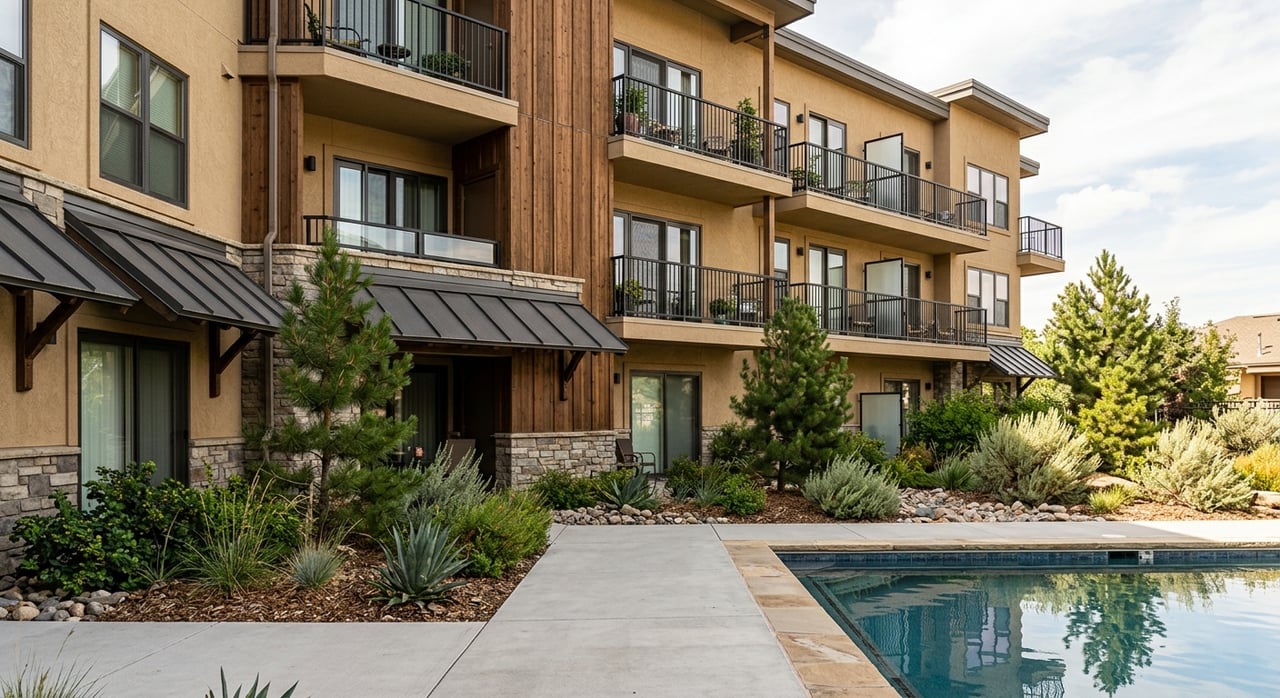
East Wenatchee tends to appeal to buyers who want a more residential-first setting with easy access to major retail. The city’s planning documents show a strong single-family housing pattern, and its commercial plan centers much of daily shopping and service activity around Valley Mall Parkway and Grant Road.
If you like the idea of a routine that feels car-convenient, with neighborhood areas connected to a central retail corridor, East Wenatchee may feel familiar and practical. It also stands out for trail and shoreline access, which can be a real plus if outdoor time is part of your weekly rhythm.
Housing in East Wenatchee
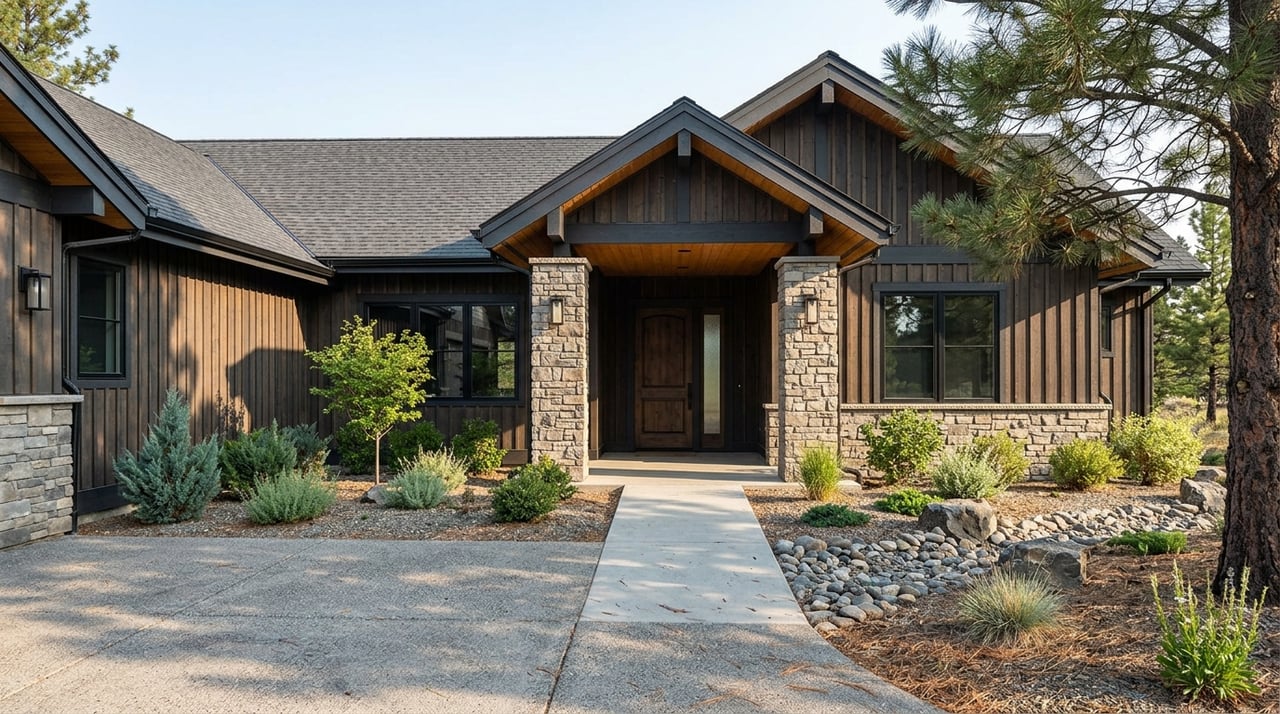
East Wenatchee’s comprehensive plan says single-family designations account for 89% of residentially designated properties when mixed-use parcels are excluded. Its long-range housing target also remains heavily weighted toward single-family homes, though the city includes ADUs as part of its housing toolkit.
That points to a market where detached homes remain a major part of the landscape. For many buyers, that can mean a more traditional residential pattern and a lifestyle centered around home, yard, and space between uses.
Daily Life in East Wenatchee
East Wenatchee’s commercial planning identifies the area as the major retail center in Douglas County. In practical terms, that means many errands, shopping trips, and service stops can cluster around the city’s main business corridors.
For some buyers, that convenience is a major advantage. If you want a straightforward routine with easy retail access and a layout that supports driving from home to work, shopping, and recreation, East Wenatchee may line up well with your lifestyle.
Wenatchee at a Glance
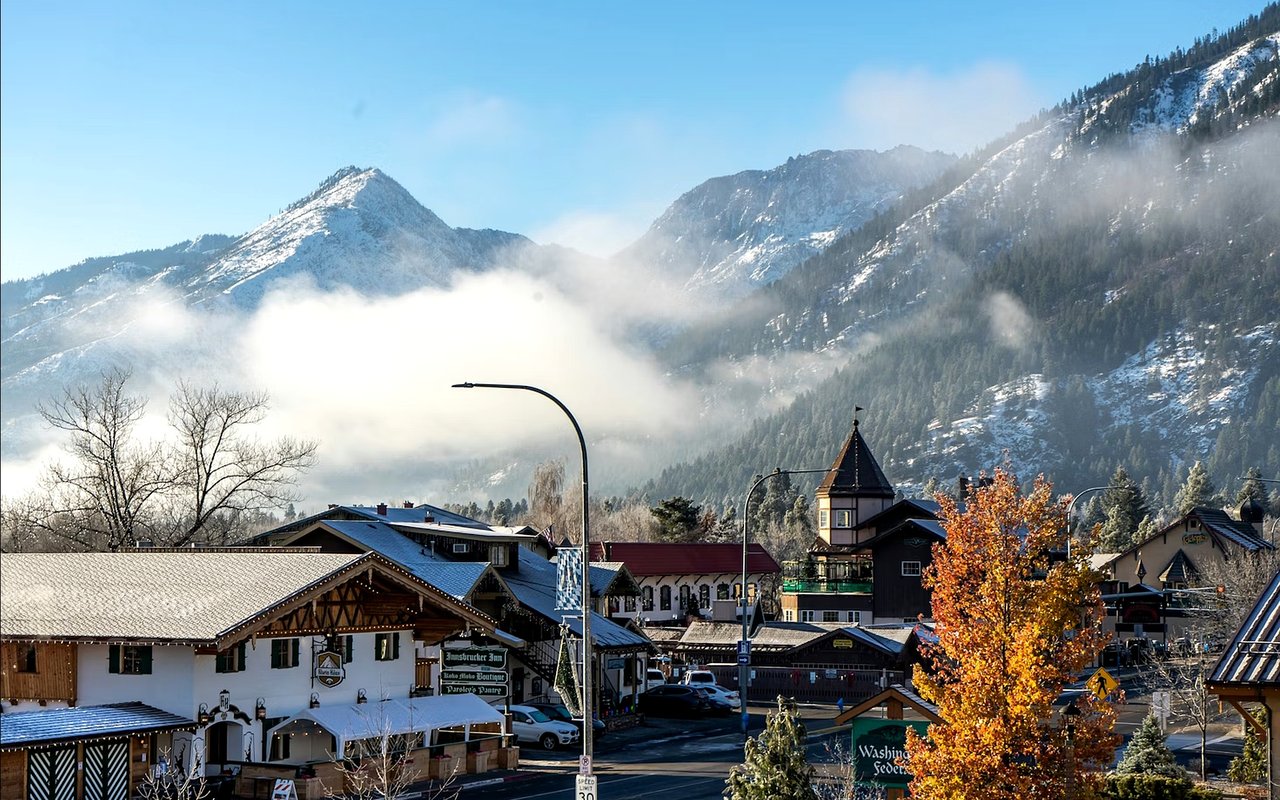
Wenatchee often fits buyers who want a more compact setting with a broader mix of housing types and a stronger downtown presence. The city’s planning direction highlights older central neighborhoods, infill, middle housing, ADUs, and mixed-use development, in part because developable land is more limited.
That creates a different feel from East Wenatchee. If you want to be closer to a historic central business district, mixed-use areas, and a more pedestrian-oriented core, Wenatchee may offer the kind of day-to-day environment you are looking for.
Housing in Wenatchee
Wenatchee’s 2026 draft plan says nearly two-thirds of city housing units are detached single-family homes. At the same time, the city places more emphasis on a wider range of housing options than East Wenatchee, including infill, mixed-use development, middle housing, and ADUs.
For buyers, that can translate into more variety in how and where you live. If flexibility matters to you, or if you want to explore housing closer to the city core, Wenatchee may offer more options that fit that goal.
Daily Life in Wenatchee
Wenatchee’s draft plan highlights a historic central business district and mixed-use districts that prioritize higher-density residential uses along with small-scale retail and services. Its downtown strategy also focuses on infill and adaptive reuse.
That can shape daily life in a meaningful way. If you enjoy a more connected urban pattern where home, services, and community spaces may sit closer together, Wenatchee may feel more natural for your routine.
Comparing Housing Patterns
If housing style is a top priority, the biggest difference is not that one city has houses and the other does not. Both include detached single-family homes in a major way. The difference is that East Wenatchee leans more heavily toward a lower-density, residential-first pattern, while Wenatchee supports a broader mix of housing forms near a more compact core.
Recent Census QuickFacts also suggest a directional ownership and value difference. East Wenatchee shows a 59.0% owner-occupied housing rate and a median owner-occupied home value of $429,200, while Wenatchee shows a 51.9% owner-occupied rate and a median owner-occupied home value of $391,200.
Because the ACS vintages differ, those numbers should be read as directional rather than exact side-by-side pricing. Still, they can help illustrate that the two housing markets are not identical.
Commutes and Cross-River Movement
One of the most important lifestyle realities in this valley is that crossing the river is normal. East Wenatchee’s own travel advisory shows how routine that connection is, with detours using the George Sellar Bridge when SR 28 bypass access is interrupted.
That means your lifestyle decision does not happen in isolation. You may live on one side of the river and regularly work, shop, meet friends, or access services on the other.
Transit and Everyday Mobility
Link Transit operates 12 urban routes in the Wenatchee and East Wenatchee area, all seven days a week, and all service is zero-fare. Routes serving East Wenatchee include Route 2, Route 12, and Route 18, while Columbia Station in downtown Wenatchee serves as the regional intermodal transfer center.
That matters if you want transportation options beyond driving. Whether you prefer a car-based routine or want transit as part of your mix, both sides of the river are tied into the same valley system.
Commute Time Differences
The latest ACS commute estimates suggest Wenatchee residents have slightly shorter average trips to work than East Wenatchee residents. Wenatchee shows an average commute of 17.0 minutes, compared with 20.0 minutes in East Wenatchee.
That is not a dramatic gap, but it can still matter over time. If cutting a few minutes from your average weekday drive is high on your list, Wenatchee may have a modest edge based on current estimates.
Parks and Outdoor Access
Outdoor lifestyle is a strength on both sides of the river, but the feel is a little different. East Wenatchee’s identity is closely tied to shoreline access and the Apple Capital Loop Trail, while Wenatchee’s riverfront park system feels more concentrated near the city core.
If your weekends revolve around walking, biking, river views, and park time, either city can support that lifestyle. The better fit depends on whether you want that access in a more residential east-side setting or closer to a more urban center.
East Wenatchee Recreation
East Wenatchee’s capital facilities and park planning documents highlight the Apple Capital Loop Trail as a non-motorized, multi-use Columbia River loop used for both recreation and everyday commuting. The broader trail system is about 10 miles, with a 2.5-mile extension to Rock Island Hydro Park.
The local recreation network also includes shoreline access, the Bridge of Friendship Garden, Gateway Park, and Kirby Billingsley Hydro Park. For buyers who want easy access to open space and river-oriented recreation, that is a meaningful part of East Wenatchee’s appeal.
Wenatchee Recreation
Wenatchee’s park system includes Wenatchee Riverfront Park, Walla Walla Point Park, and the Apple Capital Recreation Loop Trail. Walla Walla Point Park includes a swim beach, courts, fields, and picnic shelter space, while the city also notes splash pads at Rotary and Lincoln Park.
That lineup can be especially appealing if you want park amenities near the city core. It supports an outdoor lifestyle with a somewhat more urban backdrop and a strong concentration of public spaces along the riverfront.
Which City Fits You Best?
If you are choosing based on lifestyle, a simple way to frame it is this: East Wenatchee may be a stronger match if you want a residential-first environment, a strong single-family pattern, retail-corridor convenience, and easy trail and shoreline access. Wenatchee may be a stronger match if you want a more compact setting, a wider range of housing types, shorter average commute times, and a downtown-adjacent routine.
Neither option is universally better. The right fit depends on how you want your mornings, errands, evenings, and weekends to feel once you are settled into the valley.
If you want help comparing specific homes, neighborhoods, and lifestyle tradeoffs in the Wenatchee Valley, Camiekae Lynch's Team offers thoughtful, high-touch guidance built around how you actually want to live.
FAQs
Is East Wenatchee or Wenatchee more residential?
- East Wenatchee is generally more residential-first based on local planning documents, with a stronger emphasis on single-family housing patterns.
Does Wenatchee have more housing variety than East Wenatchee?
- Yes. Wenatchee’s draft plan emphasizes a wider mix of housing types, including infill, middle housing, ADUs, and mixed-use development.
Is crossing between East Wenatchee and Wenatchee part of daily life?
- Yes. The two cities function as one connected valley market, and cross-river travel is a routine part of work, errands, and recreation.
Are there transit options in East Wenatchee and Wenatchee?
- Yes. Link Transit operates 12 urban routes in the Wenatchee and East Wenatchee area seven days a week, and the system is zero-fare.
Which city has a shorter average commute time, East Wenatchee or Wenatchee?
- Current ACS estimates suggest Wenatchee has a slightly shorter average commute time at 17.0 minutes, compared with 20.0 minutes in East Wenatchee.
Do both East Wenatchee and Wenatchee offer riverfront recreation?
- Yes. Both cities offer access to parks, trails, and river-oriented recreation, though East Wenatchee is more closely tied to shoreline access and trail connectivity, while Wenatchee’s amenities are more concentrated near the city core.